

Winter mornings bring a familiar frustration to construction sites: the excavator turns over but won't fire. The battery is charged, the starter works, but the engine refuses to catch. In most cases, the problem isn't electrical—it's the fuel in the tank.
Diesel fuel contains paraffin wax that crystallizes as temperatures drop. When diesel cools below its cloud point, wax crystals begin to form. Below the pour point, the fuel thickens enough to stop flowing through filters and fuel lines entirely. For 0# diesel, the pour point sits around 0°C, and gelling can begin at temperatures as mild as 5°C.
Manufacturer winter maintenance guidelines from SHANTUI and industry practice recommend selecting diesel grades based on local minimum temperatures, not average conditions. The pour point of the fuel should sit 4-6°C below the lowest expected temperature. In southern regions with mild winters, -10# diesel provides adequate protection. In northern China and severe cold zones, -20# or -35# grades are required.
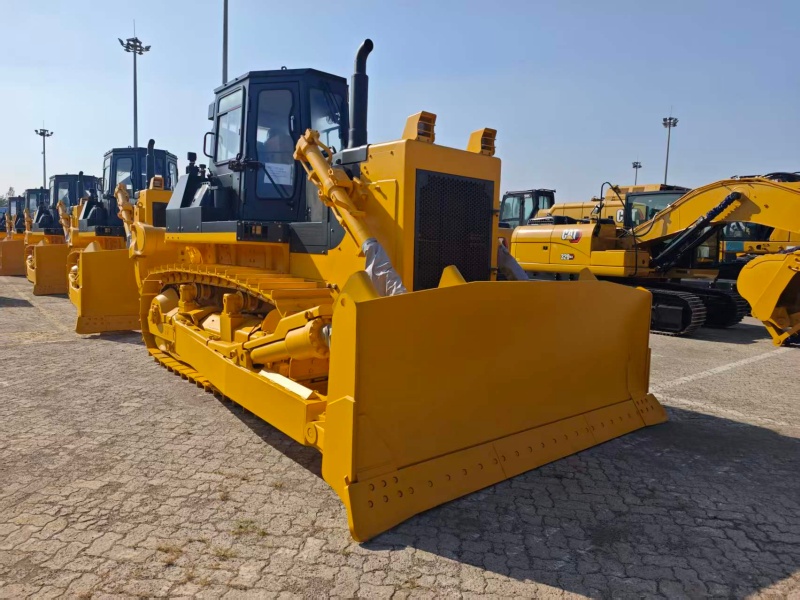
Fuel system care extends beyond grade selection. Filling the tank at the end of each shift reduces the air space inside, which limits condensation on the tank's inner walls. Water accumulation in the fuel system accelerates filter clogging and corrosion. Operators should also check water separators daily and drain any accumulated moisture before it reaches the injection system.
A final consideration is fuel filter replacement. Cold fuel is thicker and passes through filters more slowly. A partially clogged filter that performs adequately in summer can restrict flow enough to prevent starting in winter. Replacing fuel filters before the cold season begins is cheap insurance against a no-start morning.
For fleet managers, winter diesel management is a planning exercise. Match the fuel grade to the forecast, fill tanks at shift end, and replace filters before the first freeze. None of these steps takes more than a few minutes, but together they keep machines starting on the coldest mornings.
-
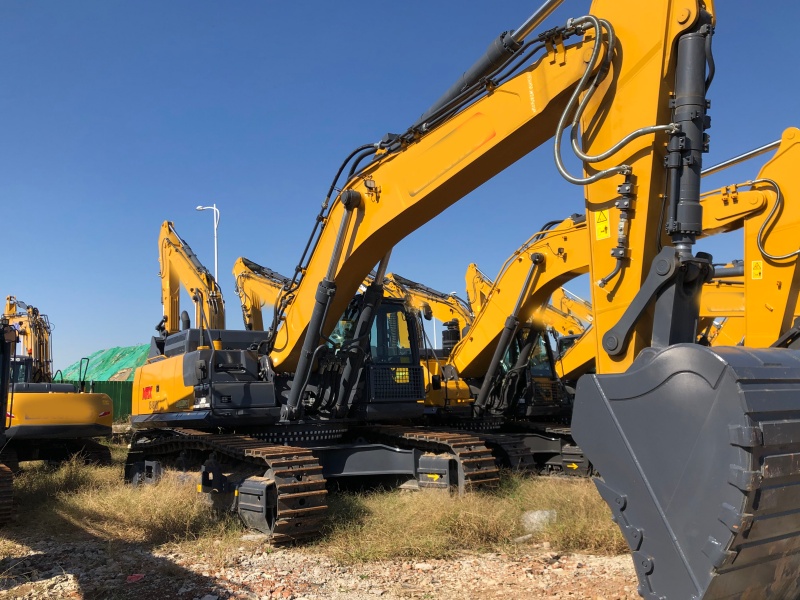 Coolant Isn't Just for Winter—Why Excavators Need Antifreeze Year-Round2026-09-21
-
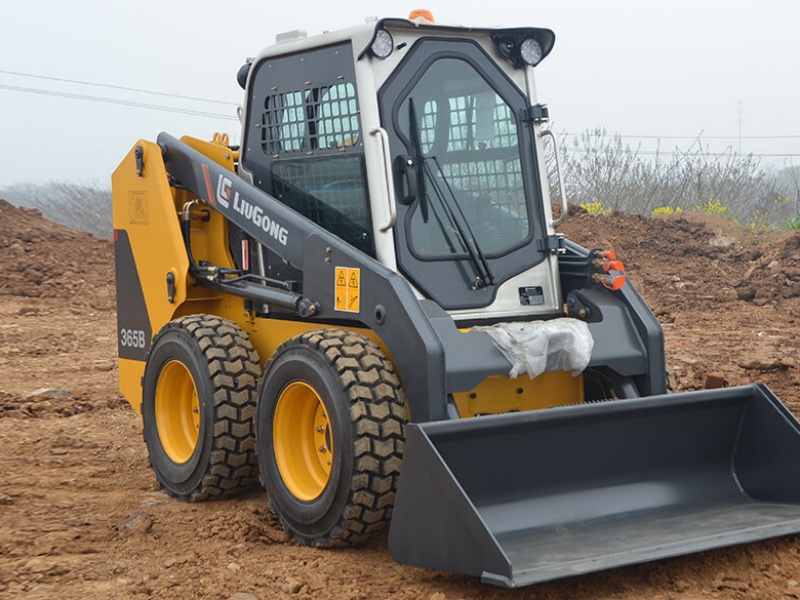 Summer Hydraulic Oil Care—Prevent Overheating and Component Wear2026-08-27
-
 Summer Rain Undercarriage Damage — Why Daily Cleaning Extends Track Life2026-07-21
-
 AI-Powered Diagnostics Slashes Excavator Repair Time by 60% in Southeast Asia2026-06-18
-
 Summer Excavator Care Tips to Beat the Heat2026-05-20

Komatco Machinery Limited
 +86-371-5860-5599
 +86-371-5860-5599
 +86-132-1305-6871
+86-132-9836-0959
 export@komatco.com
 Suite 2217, Building D, Jianzheng Oriental Center, No. 100 Shangdu Road, Zhengdong New District, Zhengzhou, Henan Province, China