







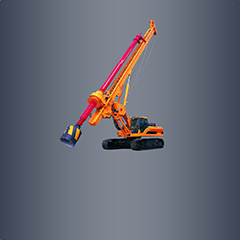
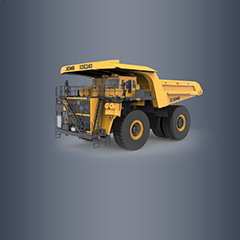
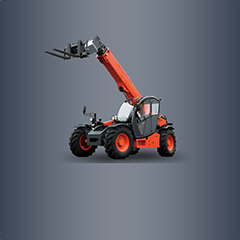
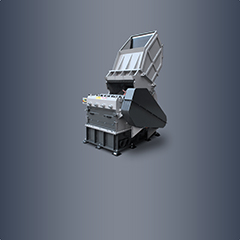
Construction Machinery

Our team of highly skilled and experienced professionals is dedicated to providing exceptional service. With years of industry experience and a deep understanding of our products and services, we are able to offer expert advice and support to help you make informed decisions.
We prioritize timely delivery in the construction industry. Our logistics team ensures that your machinery arrives on-site quickly and in perfect condition, so you can start your project without any delays.
To maintain your machinery at its best, we offer comprehensive maintenance services and support. Our team of skilled technicians is always prepared to assist with any issues, ensuring minimal downtime and maximum productivity.
We are dedicated to advancing sustainability in construction. Our lineup of environmentally friendly equipment is crafted to minimize ecological impact while upholding high performance, aiding you in achieving your eco-friendly building objectives.


Based in
Zhengzhou

-
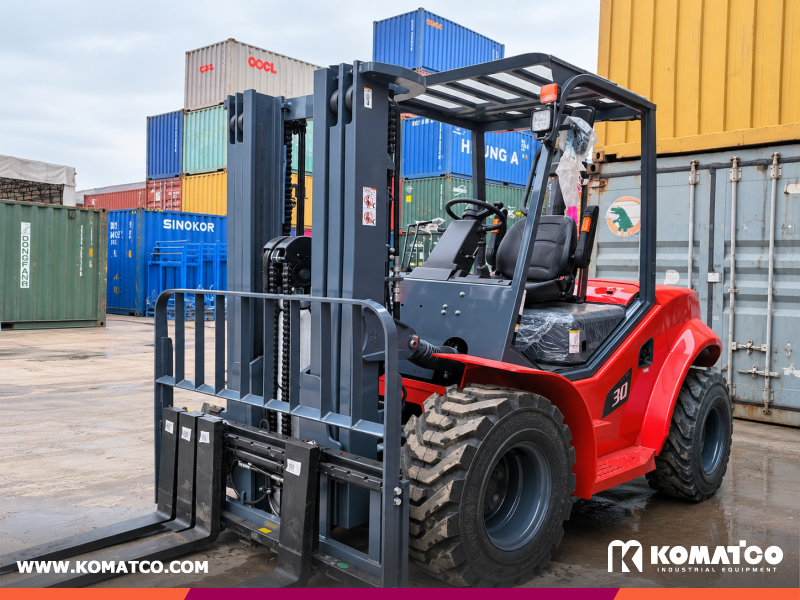
 South Africa - 1 Unit HELI CPD30-A3LIH4-M ForkliftOn July 22, 2026, we exported 1 unit of HELI CPD30-A3LIH4-M forklift to a client in South Africa. Key specs: load capacity 2400 kg, ZSM470 mast, dimension 3637 × 1260 × 2180 mm, lithium battery power, 80 V / 560 Ah battery, non-marking solid tires, 80 V 100 A charger.
 -
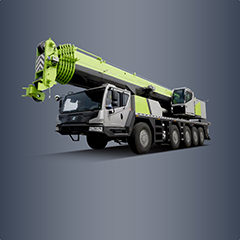
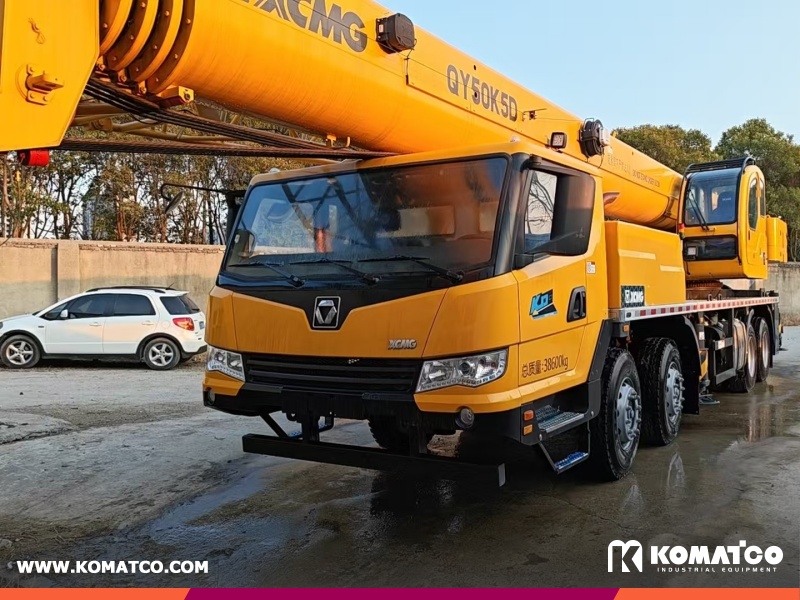 Dominican Republic - 1 Unit XCMG QY50K5D_5 Truck CraneOn July 6, 2026, we exported 1 unit of XCMG QY50K5D-5 truck crane to a client in the Dominican Republic. Shangchai Euro 3 engine, 251 kW, 50 t lifting capacity, 1,600 kN·m max load moment. Ideal for infrastructure projects.
 -
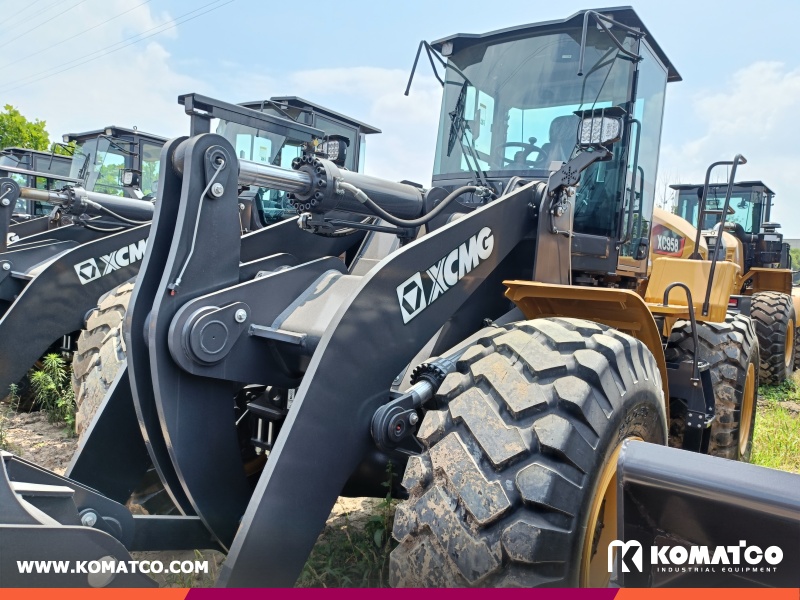 Algeria - 1 Unit XCMG XC958 Wheel LoaderOn June 17, 2026, we exported 1 unit of XCMG XC958 wheel loader to a client in Algeria. 162 kW, 5.5 t rated load, 3.2 m³ bucket, 180 kN breakout force. Built for tough loading jobs.
 -
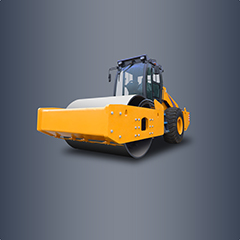
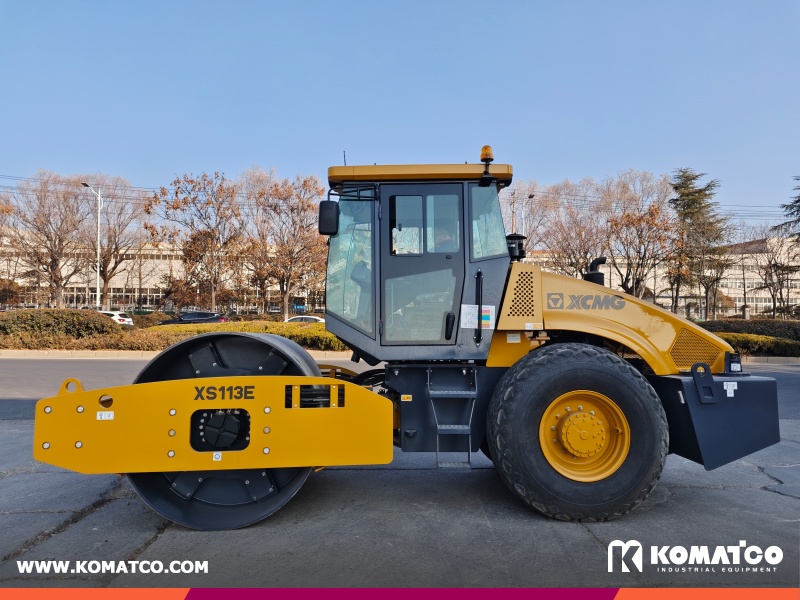 Philippines - 1 Unit XCMG XS113E RollerOn June 15, 2026, we exported 1 unit of XCMG XS113E single drum vibratory roller to the Philippines. Powered by DONGFENG CUMMINS 4BTA3.9, 93 kW, 10.4 t, 240 kN exciting force. Ideal for road construction and soil compaction.
 -
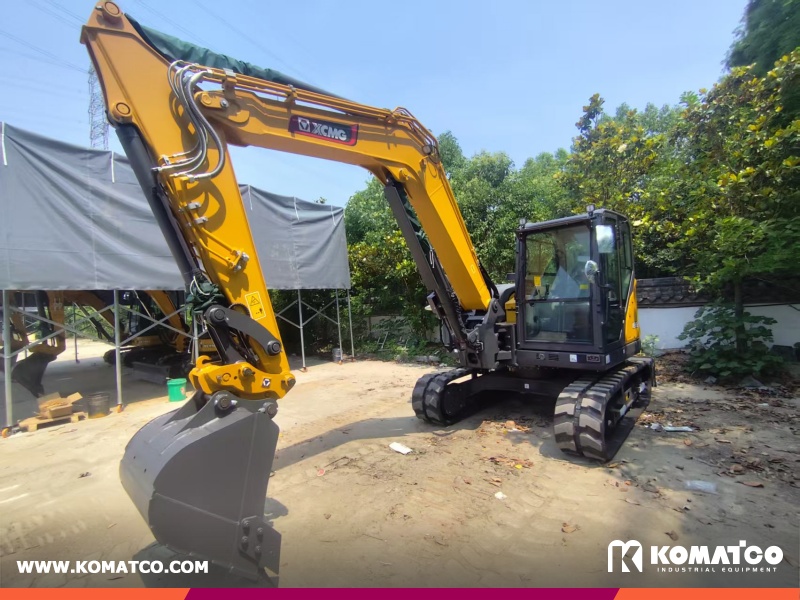 Mayotte - 2 Units XCMG XE55E Excavator & 1 XE80E ExcavatorOn June 9, 2026, we exported 2 units of XCMG XE55E excavators and 1 unit of XCMG XE80E excavator to Mayort. Powered by Kubota 54.6 kW engines, 9.6 t operating weight, 0.35 m³ bucket capacity, and air conditioning for operator comfort.
 -
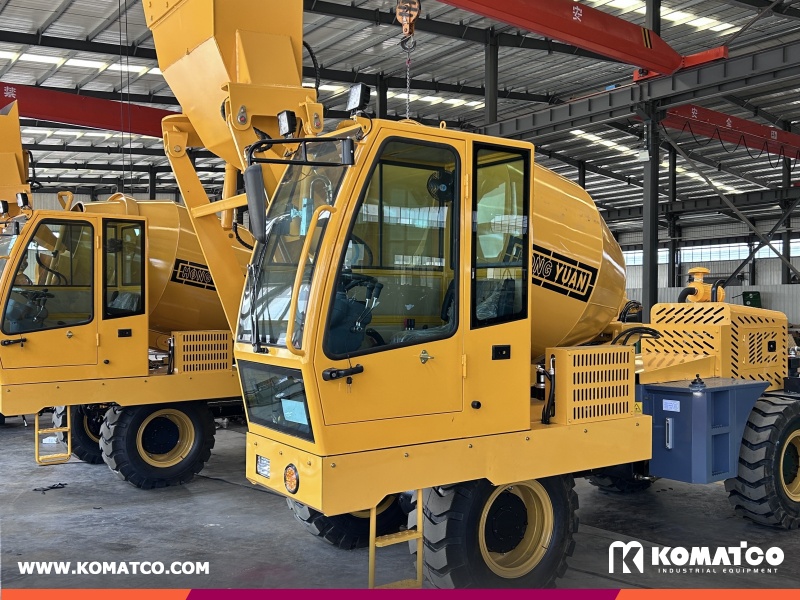 Libya – 1 Unit Hongyuan HY-200 Self-loading Concrete Mixer TruckOn June 8, 2026, we exported 1 unit of Hongyuan HY-200 self-loading concrete mixer truck to a client in Libya.Hongyuan HY-200 Self-loading Concrete Mixer Truck Key Specifications: 1. Output capacity: 2.0 m³2. Weight: 6200 kg3. Engine: YUNNEI 41024. Rated power: 76 kW / 103 HP / 2200 rpm5. Dimension: 6580 × 2480 × 2870 mm
 -
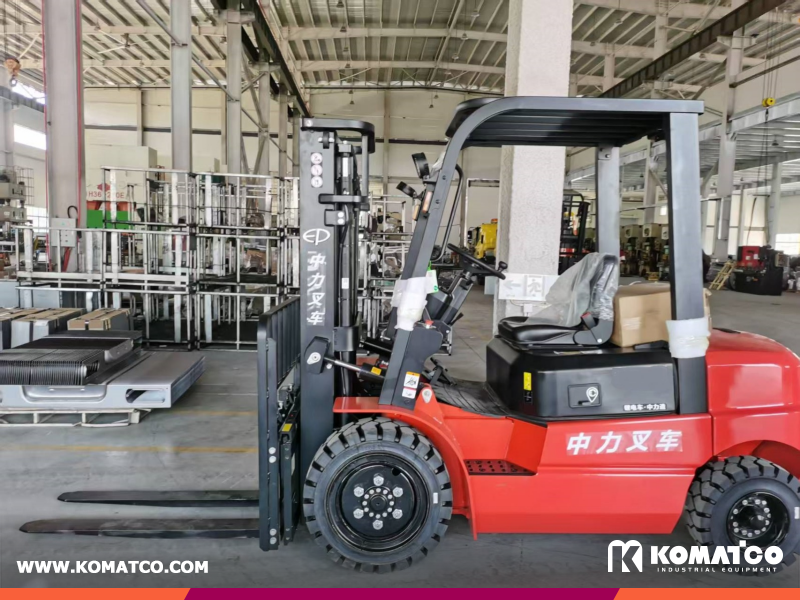 Aruba - 1 Unit EP ICE252B2 Electric ForkliftOn June 2, 2026, we exported 1 unit of EP ICE252B2 electric forklift to Aruba. Lithium battery 80V/150AH, 2,500 kg capacity, 6 m duplex mast with side shifter, solid tires. Ideal for warehousing.
 -
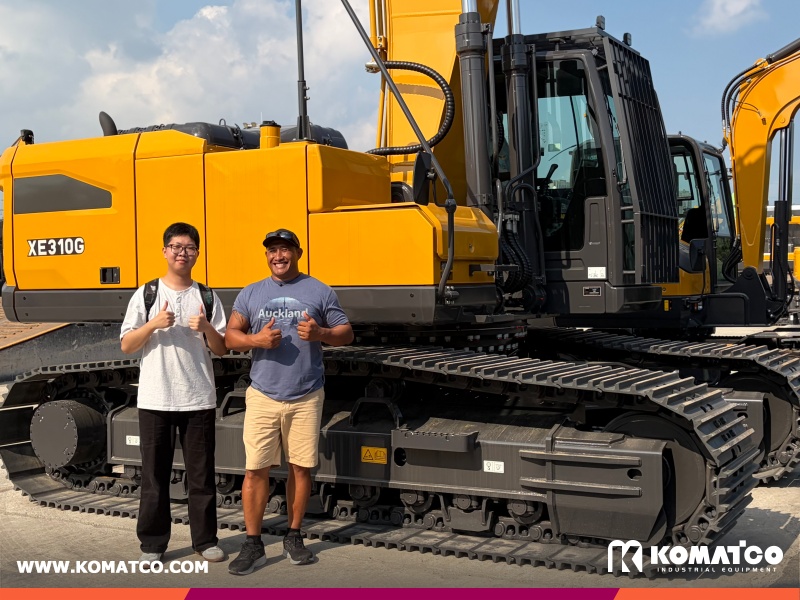
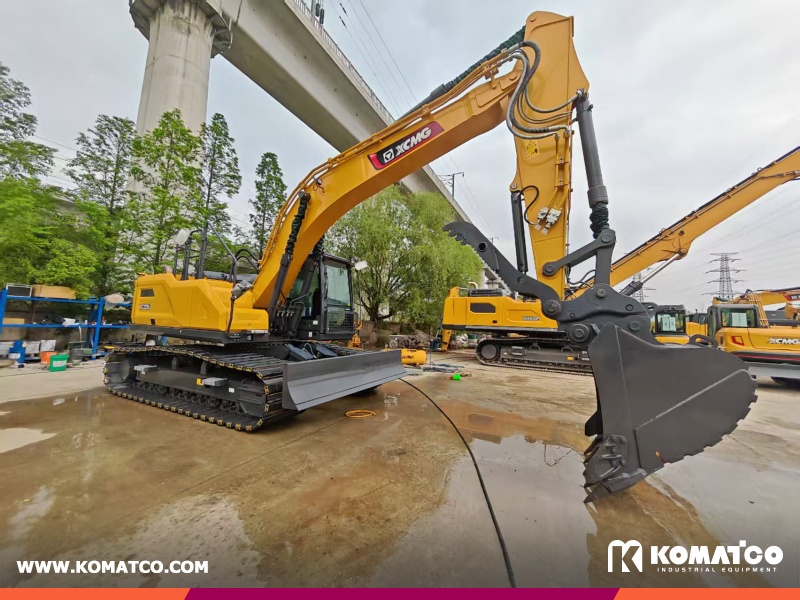 Canada - 1 Unit XCMG XE225U Crawler ExcavatorOn May 11, 2026, we exported 1 unit of XCMG XE225U crawler excavator to Canada. Rated power: 129kW at 2200rpm. Operating weight: 23,500kg. Bucket capacity: 1.05m³. Max digging height: 9,620mm. Designed for high-performance excavation, earthmoving, and construction projects. Reliable, fuel-efficient, and built for tough job sites.
 -
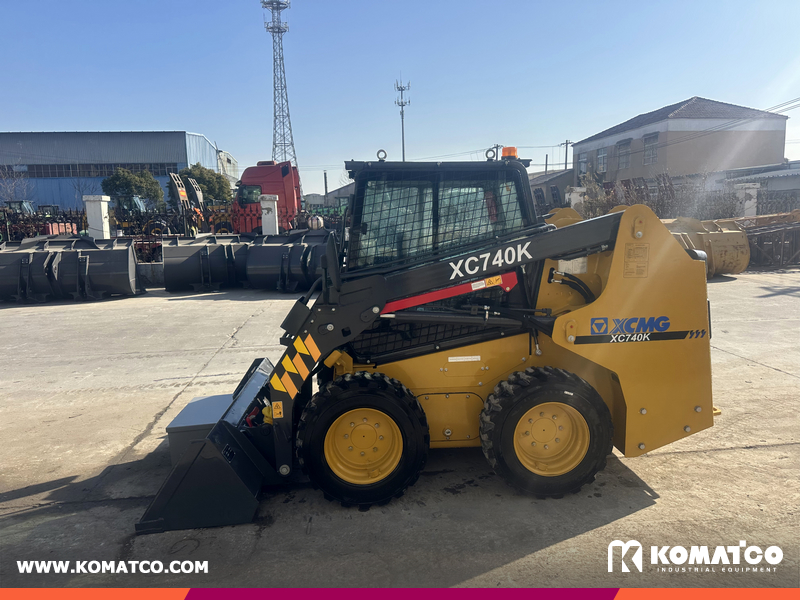 Trinidad and Tobago - 2 Units XCMG XC740K Skid Steer LoaderOn March 30, 2026, we exported 2 units of XCMG XC740K skid steer loader to Trinidad and Tobago. Featuring a reliable Yuchai engine and compact design, these loaders deliver excellent maneuverability, efficiency, and versatility for construction and material handling applications.
 -
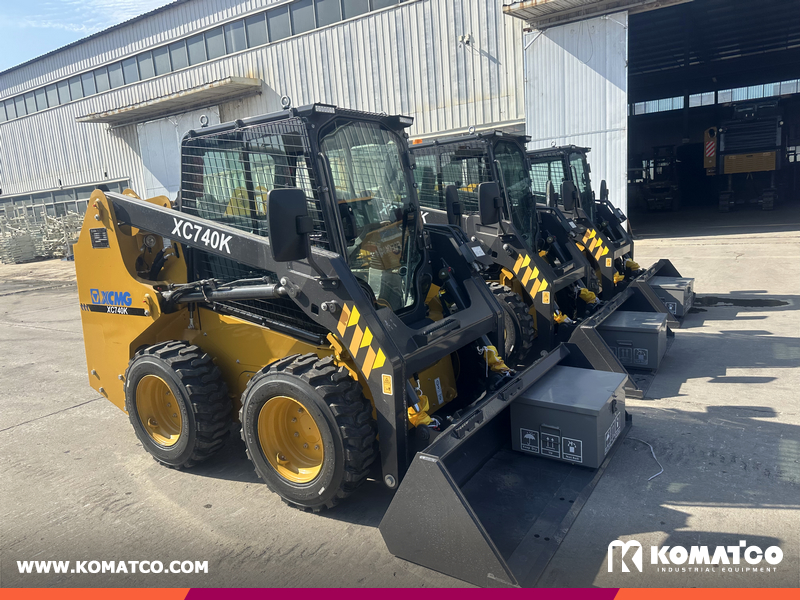 Paraguay - 3 Units XCMG XC740K Skid Steer LoaderOn March 12, 2026, we exported 3 units of XCMG XC740K skid steer loader to Paraguay. Equipped with a Xinchai engine, breaking hammer, and snow blower attachments, these compact loaders provide versatile performance for construction, road maintenance, and material handling applications.




















Our extensive global reach extends far and wide to an impressive total of over 220 countries. This remarkable achievement enables us to offer our exceptional services to a diverse range of clients spanning multiple continents.
We are well aware of the challenges involved in managing international projects, and our team is fully equipped to handle all aspects of logistics, customs, and compliance, ensuring a seamless and stress-free process for our clients. Our machinery is trusted by construction professionals worldwide, from bustling urban development to remote infrastructure projects.

-
 September 18, 2026KOMATCO Celebrates 18th Anniversary with Afternoon TeaKOMATCO celebrated its 18th anniversary with an afternoon tea event in Zhengzhou, connecting branches online to share the joy, strengthen team spirit, and look ahead to future growth.
 -
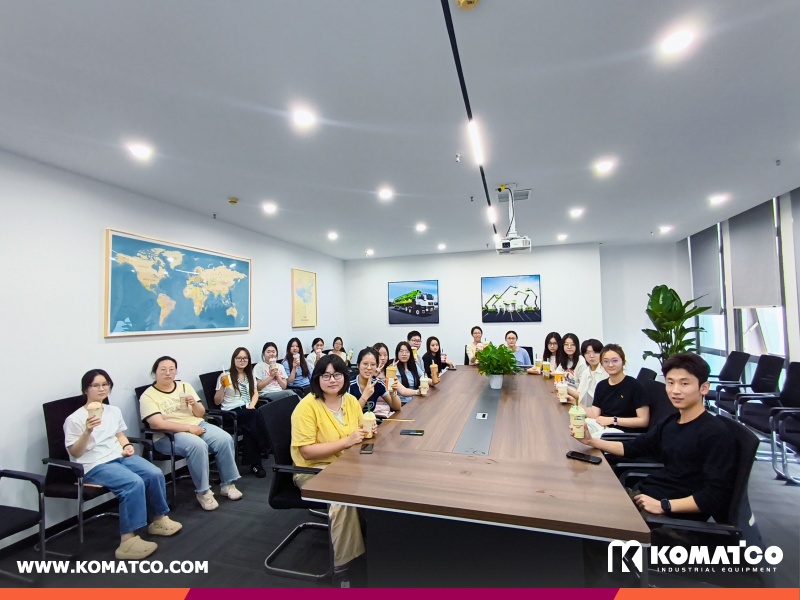 September 01, 2026KOMATCO Builds Team Spirit Ahead of Procurement FestivalKOMATCO hosted an afternoon tea event on September 1, 2026, to boost team morale, strengthen unity, and energize employees for the Procurement Festival.
 -
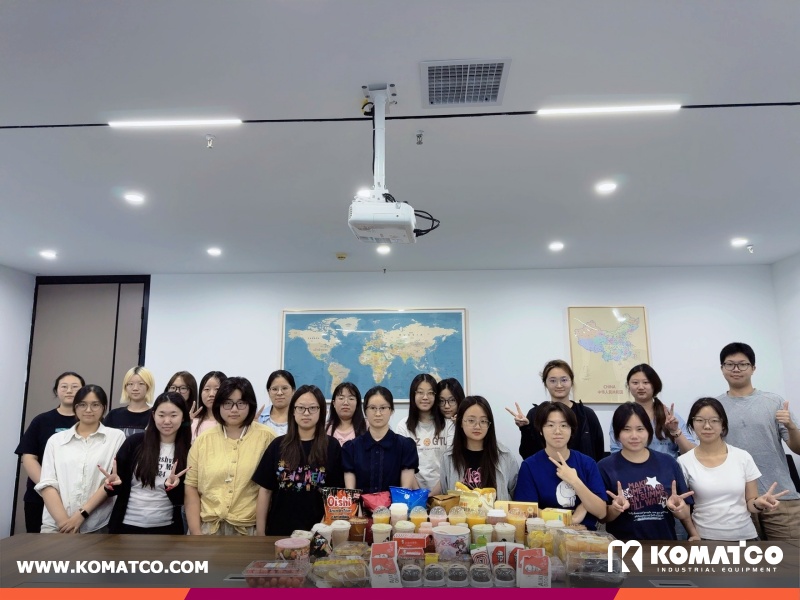 August 10, 2026KOMATCO Kicks Off Autumn with Warm Afternoon TeaKOMATCO hosted a cozy autumn afternoon tea with milk tea, desserts, fruit, snacks, and fried chicken to ease work stress and build team spirit ahead of the upcoming Procurement Festival. The event energized employees and strengthened team cohesion.
 -
 June 18, 2026KOMATCO Celebrates Triple Milestone with Afternoon TeaKOMATCO marked a triple celebration — its second anniversary, a new office relocation, and the Dragon Boat Festival. To commemorate these milestones, the company hosted a warm afternoon tea event, bringing all employees together in the brand-new workspace to share joy and embark on a new chapter.
 -
 June 11, 2026KOMATCO 2026 Qinhuangdao Seaside Retreat Team Bonding and Coastal AdventureKOMATCO embarked on a three-day seaside retreat to Qinhuangdao, featuring coastal sightseeing, local seafood, and team bonding activities. The journey strengthened team unity and refreshed employees for future challenges.
 -
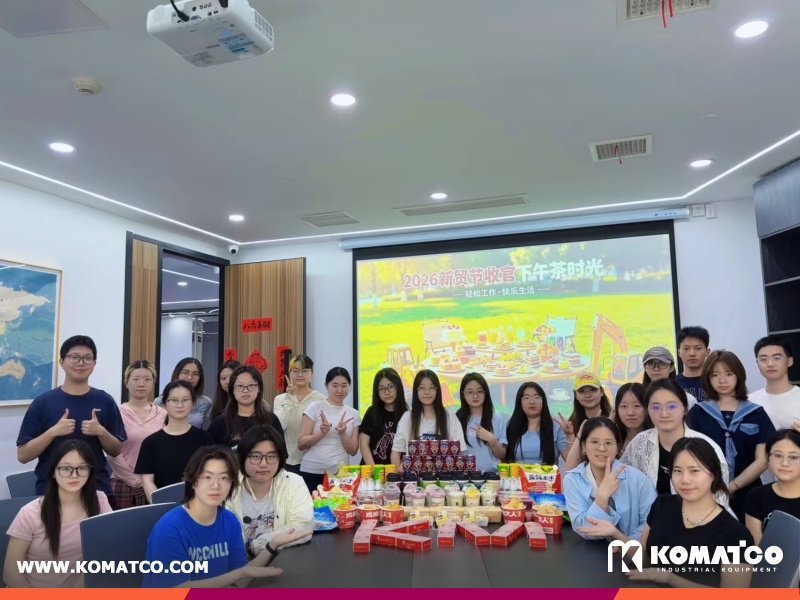 May 14, 2026KOMATCO New Trade Festival Wraps Up with RewardsKOMATCO celebrated the conclusion of its New Trade Festival competition with a heartfelt afternoon tea for all employees. After two months of hard work, the team secured generous rewards and strengthened their bond. A sweet recognition of dedication and a fresh start for future success.
 -
 April 30, 2026KOMATCO Red Trade Rookie Competition ConcludesKOMATCO wrapped up its two-month Red Trade Rookie Competition with a final gathering, award ceremony, and afternoon tea. Most participants earned cash rewards for outstanding performance. The event celebrated teamwork, growth, and the fighting spirit that drives the company forward.
 -
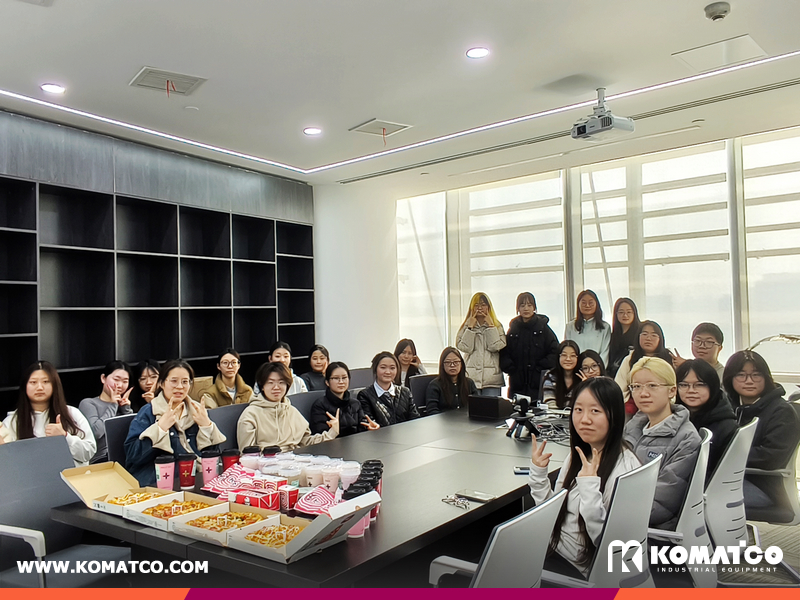 March 03, 2026KOMATCO Kick-Off Tea Event Boosts Team MomentumKOMATCO Zhengzhou hosted a 2026 kick-off afternoon tea event to motivate employees and strengthen team cohesion ahead of the New Trade Festival, enhancing engagement and workplace morale.
 -
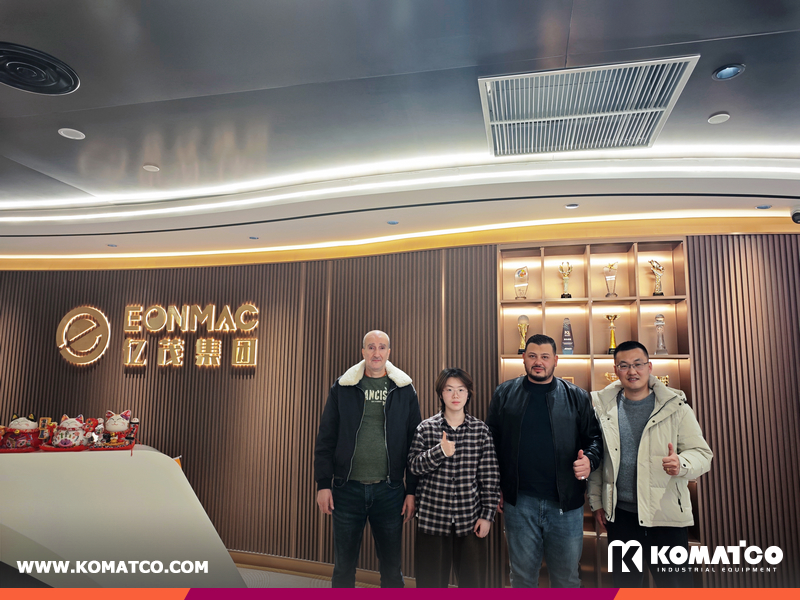
 February 06, 2026KOMATCO 2026 Annual Banquet Concludes SuccessfullyKOMATCO celebrated its 2026 Annual Banquet with a traditional Henan feast, interactive team games, and a live virtual connection to EONMAC headquarters, highlighting unity, corporate culture, and a shared vision for the year ahead.
 -
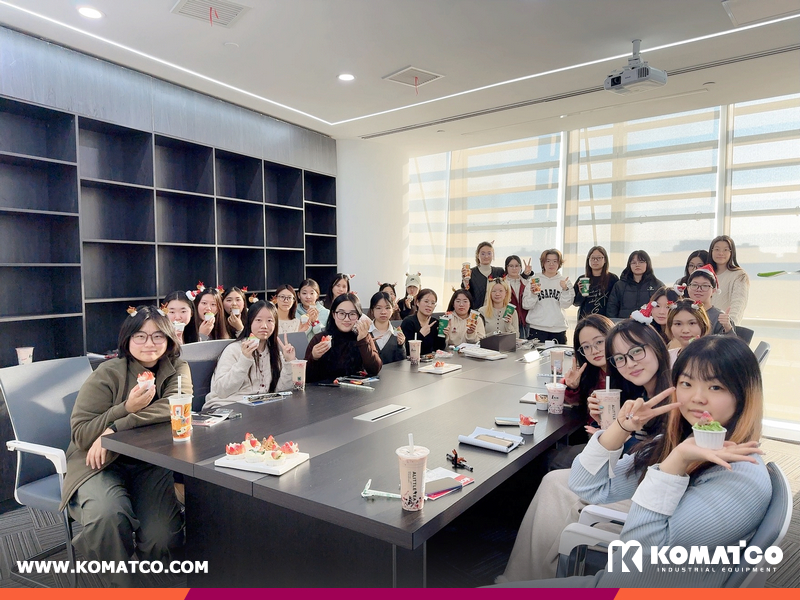 December 25, 2025Warm Christmas Celebrations at KOMATCOKomatco celebrates Christmas 2025 with a warm office gathering featuring festive afternoon tea, group photos with a Christmas tree, and a joyful atmosphere that highlights team spirit and company culture.


-
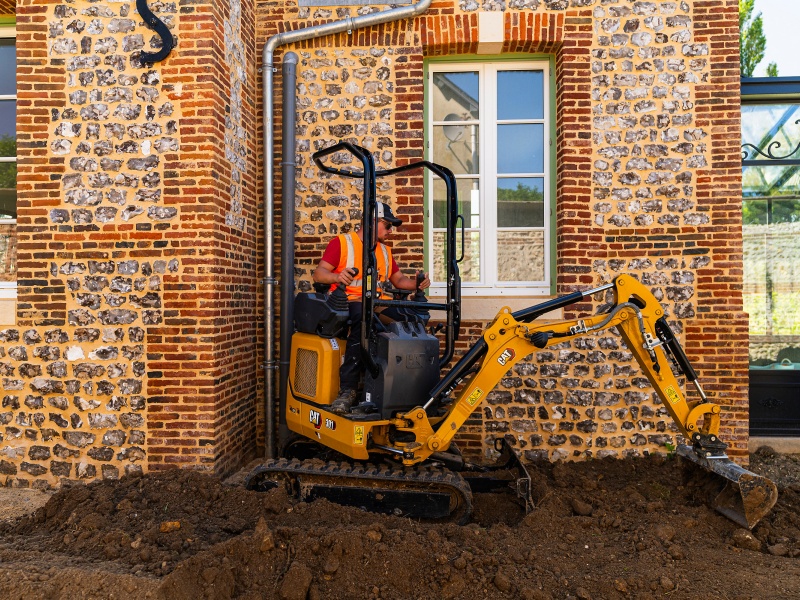 CATERPILLAR Introduces New Cat 301 CR Micro ExcavatorCATERPILLAR has introduced the new Cat® 301 Compact Radius (CR) micro hydraulic excavator, designed to deliver improved performance in confined spaces. Announced on October 7, 2026, the new model is developed for contractors who need a compact, versatile machine capable of handling demanding tasks in restricted working environments. Compact Design for Confined Spaces The Cat 301 CR is designed for indoor demolition, landscaping, agricultural work and other applications where access is limited. Its compact radius design minimizes machine overhang, allowing operators to work closer to fixed structures. The excavator can pass through doorways measuring just 762 mm wide and 1,981 mm high, with its rollover protective structure folded. The expandable undercarriage provides flexibility when moving through narrow access points and helps improve stability during operation. Compared with the Cat 300.9D, the new model features an undercarriage that is 26% wider when fully expanded and offers more than 80% greater lift capacity. Enhanced Performance and Operator Convenience The Cat 301 CR combines practical design features with improvements in digging, lifting and travel performance. Its maximum operating weight is 1,230 kg, while its travel speed reaches up to 3.6 km/h. The machine also features a maximum bucket force of 9.6 kN and a stick force of 6.2 kN. Operator-focused features include a simplified instrument display, side-mounted joystick controls and a standard LED boom work light. The foldable ROPS supports access through height-restricted openings, while the tilt-up seat provides easier access to the engine compartment and key service points. A closed-loop swing system is designed to support faster cycle times and improved energy efficiency. In addition, the machine's auxiliary hydraulics and attachment options allow it to handle a variety of tasks, including trenching, drilling and breaking concrete or asphalt. Versatility for Different Jobsite Requirements The Cat 301 CR is compatible with a range of purpose-built attachments, helping contractors adapt the machine to changing jobsite requirements. Its quick attachment-change system is designed to simplify tool changes and reduce downtime between tasks. As construction projects increasingly require equipment that can operate in restricted spaces without sacrificing versatility, compact excavators remain an important solution for contractors, landscaping professionals and utility crews. With its expandable undercarriage, improved lifting capability and operator-friendly features, the new Cat 301 CR expands CATERPILLAR's compact equipment offering. For further information about specifications, attachments and regional availability, customers can contact an authorized CATERPILLAR dealer or visit the company's official website.2026-10-13
 -
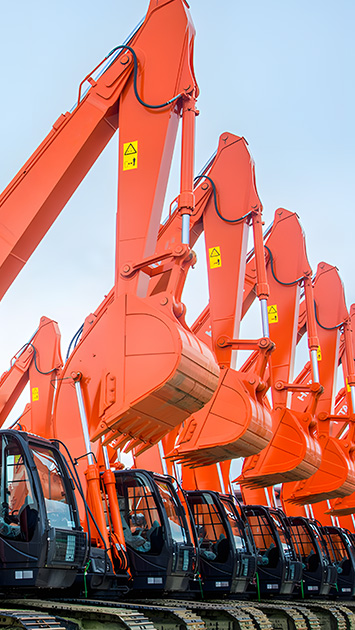
 Why Your Excavator Won't Start on Cold MorningsWinter mornings bring a familiar frustration to construction sites: the excavator turns over but won't fire. The battery is charged, the starter works, but the engine refuses to catch. In most cases, the problem isn't electrical—it's the fuel in the tank. Diesel fuel contains paraffin wax that crystallizes as temperatures drop. When diesel cools below its cloud point, wax crystals begin to form. Below the pour point, the fuel thickens enough to stop flowing through filters and fuel lines entirely. For 0# diesel, the pour point sits around 0°C, and gelling can begin at temperatures as mild as 5°C. Manufacturer winter maintenance guidelines from SHANTUI and industry practice recommend selecting diesel grades based on local minimum temperatures, not average conditions. The pour point of the fuel should sit 4-6°C below the lowest expected temperature. In southern regions with mild winters, -10# diesel provides adequate protection. In northern China and severe cold zones, -20# or -35# grades are required. Fuel system care extends beyond grade selection. Filling the tank at the end of each shift reduces the air space inside, which limits condensation on the tank's inner walls. Water accumulation in the fuel system accelerates filter clogging and corrosion. Operators should also check water separators daily and drain any accumulated moisture before it reaches the injection system. A final consideration is fuel filter replacement. Cold fuel is thicker and passes through filters more slowly. A partially clogged filter that performs adequately in summer can restrict flow enough to prevent starting in winter. Replacing fuel filters before the cold season begins is cheap insurance against a no-start morning. For fleet managers, winter diesel management is a planning exercise. Match the fuel grade to the forecast, fill tanks at shift end, and replace filters before the first freeze. None of these steps takes more than a few minutes, but together they keep machines starting on the coldest mornings.2026-10-27
 Dedication to Excellence and Safety Collaborative Excellence
 Contact Us

years
experience

Komatco Machinery Limited
 +86-371-5860-5599
  +86-371-5860-5599
 +86-132-1305-6871
+86-132-9836-0959
 export@komatco.com
  Suite 2217, Building D, Jianzheng Oriental Center, No. 100 Shangdu Road, Zhengdong New District, Zhengzhou, Henan Province, China