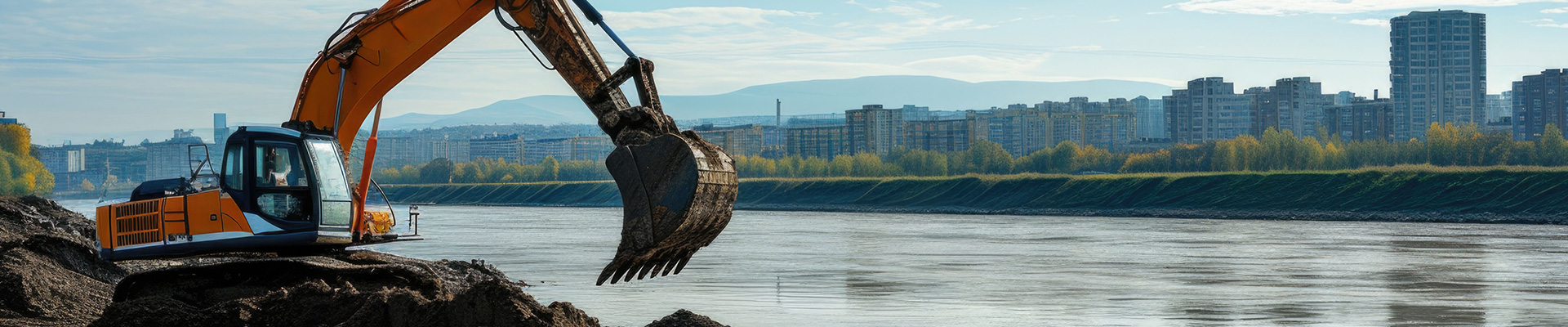

Construction machinery operating in high-temperature environments requires regular inspection and maintenance to ensure stable performance and prevent unexpected downtime. Just like any vehicle, your equipment also needs routine checks to keep it running smoothly.
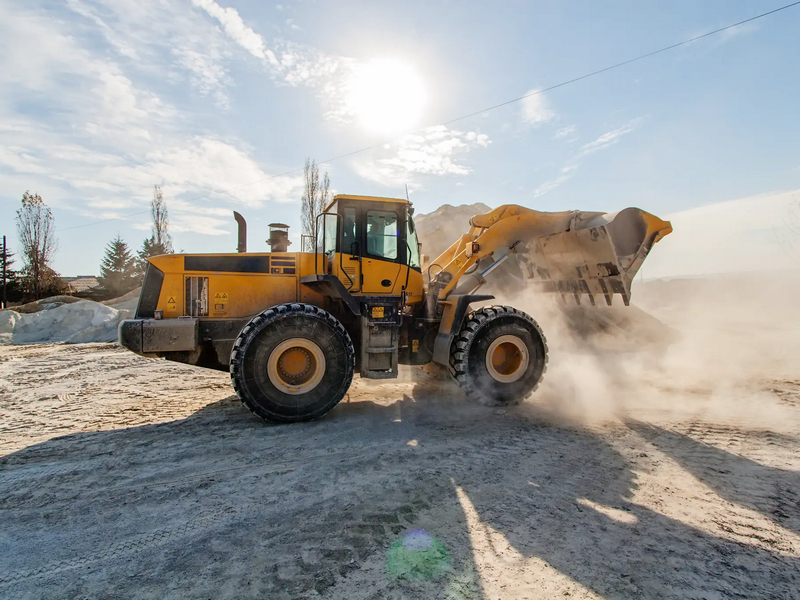
1. Troubleshooting Engine Overheating
Possible causes of engine overheating:
-
Loose fan belt
-
Insufficient or deteriorated coolant
-
Blockage on the outside of the radiator
-
Internal blockage inside the radiator
-
Thermostat malfunction
-
Water pump failure
-
Blocked internal engine coolant passages
Inspection tips:
Start by checking the condition and tension of the fan belt. Then confirm whether the coolant level is sufficient and inspect for scale or deposits when draining the coolant. Next, check whether the radiator fins are blocked externally. Finally, determine whether the thermostat or water pump may be damaged.
2. Checking Air Conditioning Cooling Performance
Regular inspection of the air-conditioning system
The air-conditioning pipeline and related components should be inspected regularly. If the air conditioner is not used for a long period, it is recommended to run the system once a month for about 10 minutes. For air conditioners with heating functions, antifreeze should be added to the circulating coolant.
Routine maintenance schedule
-
Monthly: Check whether the refrigerant level and compressor operation are normal.
-
Every 6 months: Inspect the refrigerant pipes, condenser fins, electromagnetic clutch, wiring, connectors, and control switches.
-
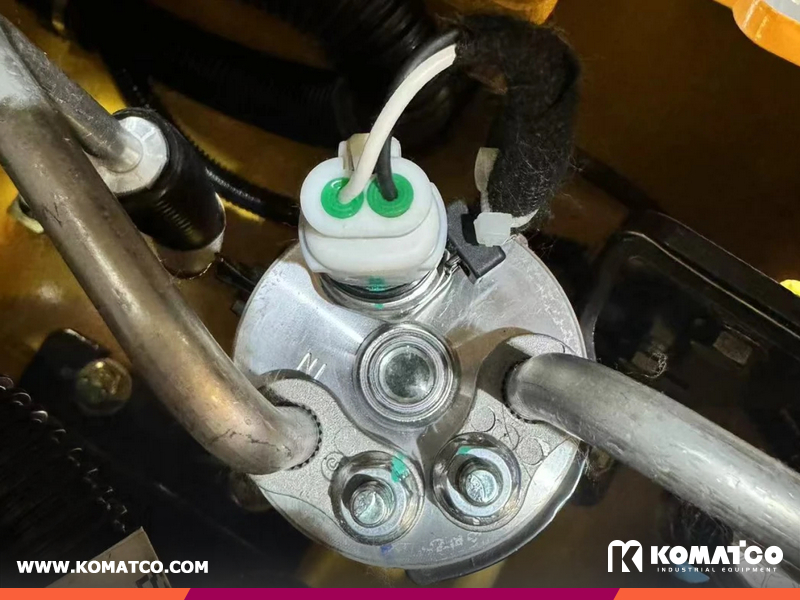
Annually: Check joints, the dryer, AC unit, sealing conditions, belts and tension, and the installation of mounting brackets.
Common troubleshooting solutions
-
Intermittent cooling: Replace the dryer, vacuum the system again, refill refrigerant, repair or replace the temperature sensor, and inspect grounding wires, control switches, and relays.
-
Increased noise: Adjust or replace belts, compressor brackets, evaporator fan blades, or repair/replace the clutch or compressor.
-
Insufficient heating: Check air doors for obstructions, ensure engine coolant temperature has risen before turning on heating, and repair or replace pipelines if necessary.
-
No cooling: Check the blower and compressor first. If both are functioning normally, inspect refrigerant levels. If abnormal, examine components for damage.
-
Poor cooling performance: Check blower airflow and evaporator airflow, clean or repair the condenser fan, adjust refrigerant levels or belt tension, replace air filters, remove blockages, defrost if necessary, and clean condenser fins.

Regular inspections and proper maintenance in high-temperature environments can significantly improve equipment reliability, extend service life, and ensure efficient operation in demanding construction conditions.
-
 Avoid Winter Pitfalls: Prevent Overcooling Damage to Your Equipment2026-01-27
 -
 SANY Mining Excavator Services Earn Global Recognition2025-12-26
 -
 How to Check Excavator Belt Tension2025-11-19
 -
 Summer Excavator Air Conditioning Use and Maintenance Guide2025-10-13
 -
 Long-Term Storage Guidelines for Wheel Loaders2025-09-18

Komatco Asia Limited
 +86-0371-58605599
  +86-0371-58605599
 +86-13213056871
+86-13298360959
 export@komatco.com
  Room 1502, Millennium Plaza, Greenland Center, No.15 Shangwu Inner Ring Road, Jinshui District, Zhengzhou, Henan, China